
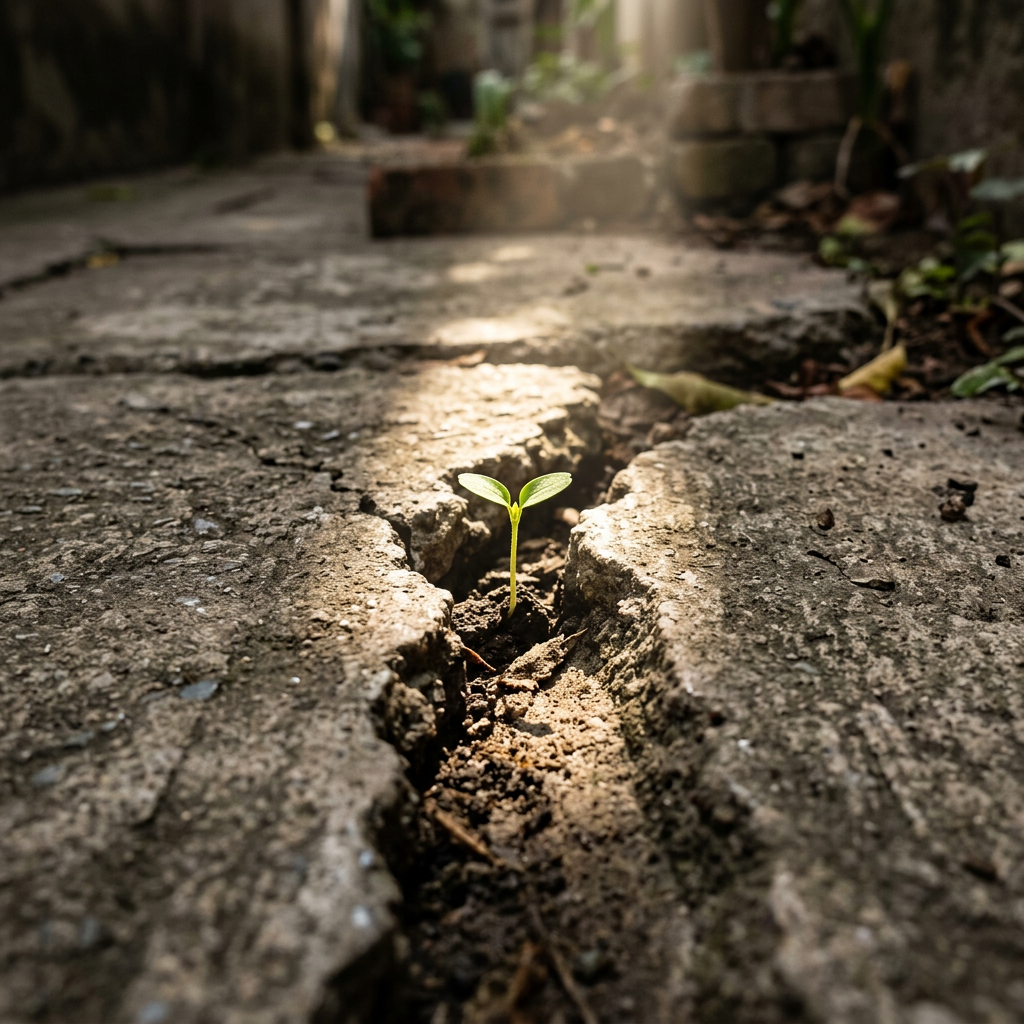
In our fast-paced world, it’s easy to get caught up in the idea that monumental decisions will shape the trajectory of our lives. However, it’s often the small, seemingly insignificant daily choices that have a more profound impact on our future. Here’s how these small choices can mold our lives in ways that big decisions can’t.
The Accumulation Effect
Small decisions, when made consistently, accumulate over time. These choices create habits, and habits shape our character and, ultimately, our destiny. For example, choosing to read a few pages of a book each day can lead to significant knowledge over a year. Similarly, opting for a walk instead of a binge-watch session can improve your health over time.
The Ripple Effect
Every small choice has a ripple effect. Deciding to be kind to a stranger might inspire them to pay it forward, creating a chain reaction of positivity. On a personal level, small choices in interactions can influence relationships, fostering deeper connections that contribute to our happiness and fulfillment.
Building Resilience
Making daily choices, even minor ones, helps in developing decision-making skills and resilience. Each time we make a choice, we are exercising confidence in our judgment. This practice prepares us for larger decisions down the line, making us more adept at navigating life’s complexities.
Mindfulness and Presence
Focusing on small choices encourages mindfulness. When we are intentional about our daily decisions—whether it’s what to eat, how to spend our time, or how to react to situations—we cultivate a greater sense of presence. This awareness can lead to better emotional regulation, reduced stress, and an improved sense of well-being.
Conclusion
While significant life decisions can certainly shape our paths, it’s the small daily choices that accumulate and create the foundation for our future. By recognizing the power of these minor decisions, we can cultivate a more intentional life, one choice at a time. Embracing the impact of small actions can lead to profound transformations in our personal and professional lives.

Leave a Reply