
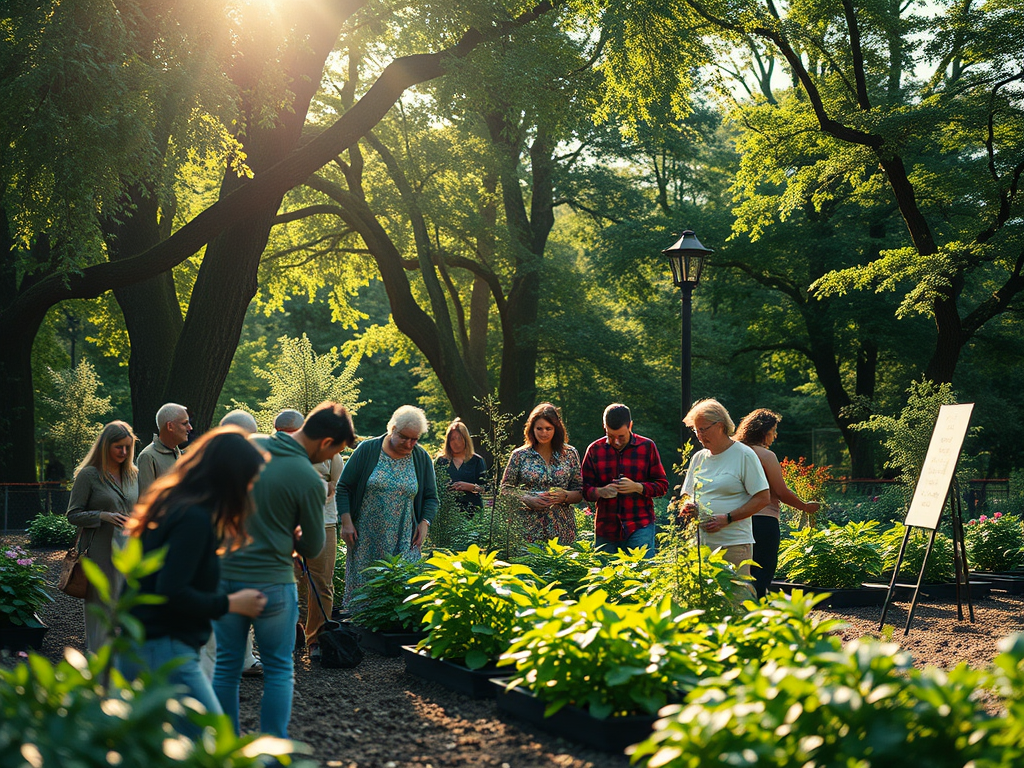
In a world increasingly aware of environmental challenges, the intersection of faith and sustainability presents an opportunity for individuals and communities to find harmony in their beliefs and practices. This exploration seeks to illuminate how faith can inspire sustainable living and how sustainability can enrich spiritual practices.
The Spiritual Imperative of Sustainability
Many faith traditions emphasize stewardship of the earth. For example, various religious texts advocate for the responsible use of natural resources, underscoring a spiritual duty to protect and care for creation. This principle not only aligns with environmental sustainability but also encourages believers to reflect on their lifestyles and choices.
Principles of Stewardship
- Respect for Creation: Many faiths teach followers to regard nature as a sacred trust. This recognition can foster a respectful relationship with the environment, calling for sustainable actions that honor the interconnectedness of all life.
- Community Responsibility: Faith communities often thrive on collective action. Engaging in sustainability efforts becomes a way to strengthen bonds while addressing local and global environmental issues, reinforcing the moral obligation to protect the planet for future generations.
Integrating Sustainable Practices into Faith Life
Incorporating sustainable practices into religious life can manifest in numerous ways:
- Green Worship Spaces: Many congregations are adopting eco-friendly building practices to reduce their carbon footprint, such as utilizing renewable energy sources and sustainable materials.
- Educational Initiatives: Faith-based organizations can promote environmental education, encouraging members to engage in sustainable practices at home and in their communities.
- Sacred Traditions and Rituals: Incorporating elements of nature into rituals—like using locally sourced materials or celebrating seasonal changes—can deepen the spiritual connection to the earth.
The Benefits of This Integration
- Deepened Spiritual Connection: Living sustainably can foster a deeper connection to one’s faith by aligning daily practices with spiritual beliefs.
- Empowered Communities: Collaboration on sustainability initiatives can empower communities, creating a shared identity centered on care for the earth.
- Broader Advocacy: Faith communities banding together for sustainability can amplify their voices in local and global conversations about environmental justice and action.
Challenges and Opportunities
While the marriage of faith and sustainability offers many benefits, it is not without challenges. Some belief systems may prioritize human concern over environmental issues. However, engaging in dialogue and highlighting common values can pave the way for a more balanced approach that respects both divine commandments and the urgent need for action against climate change.
Conclusion
Faith and sustainability can indeed coexist, creating a rhythm that nurtures both the soul and the planet. By fostering an awareness of our spiritual obligations to care for creation and implementing sustainable practices, individuals and communities can contribute to a healthier environment while deepening their faith. The path forward involves embracing these interconnections, fostering awareness, and taking committed action for the sake of our world and future generations.
Leave a Reply